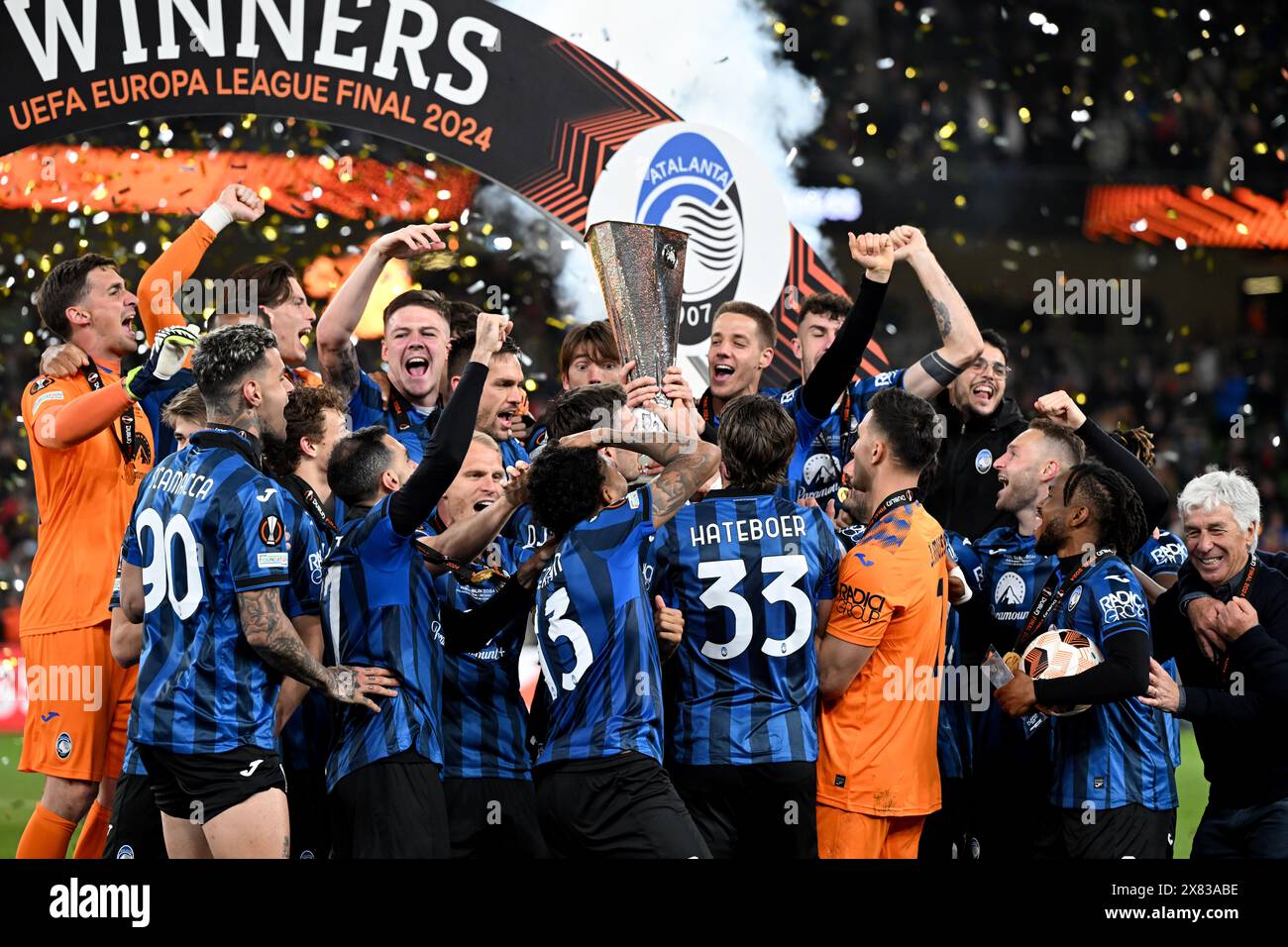
Winning the Europa League cements a player’s legacy on the pitch. But what happens when the final whistle blows and the spotlight shifts—not to retirement, but to reinvention? One athlete didn’t just walk away from football; he stepped into the director’s chair, onto photo shoots, behind the turntables, and in front of the camera as an actor. This isn’t a story of fame repackaged. It’s about identity, creative hunger, and the quiet rebellion of refusing to be boxed in by a single narrative.
His name? Nwankwo Kanu.
While the trajectory from footballer to pundit or club executive is common, Kanu’s path diverged sharply. After lifting the Europa League (then the UEFA Cup) with Inter Milan in 1998, his career continued at Arsenal and Portsmouth, earning trophies and admiration. But what set him apart wasn’t just his touch or vision on the field—it was the depth of his curiosity off it. And that curiosity eventually rewired his life.
The Quiet Transformation Behind the Fame
Kanu’s football legacy is secure: two-time African Footballer of the Year, Premier League champion, UEFA Cup winner. Yet, during his playing days, few knew he was quietly shaping a parallel life.
While teammates spent downtime relaxing, Kanu explored. He enrolled in film studies during his Arsenal years, auditing courses at London Metropolitan University. Not for a degree—just to understand storytelling. He picked up a camera, photographing teammates not as icons, but as people—candid shots of locker rooms, quiet travel moments, the exhaustion after a 90th-minute winner.
These weren’t hobbyist efforts. They were deliberate steps toward a second self.
“Football gave me access. But art? That gave me voice.”
This quote, from a rare 2016 interview with Dazed, captures the shift. It wasn’t about leaving football behind—it was about expanding what he could say with his life.
From Pitch to Director’s Chair: The Creative Debut
Kanu’s directorial debut wasn’t a vanity project dropped on a streaming platform. It began quietly—a short documentary on youth football in Lagos, funded from his own pocket. Beyond the Dust (2013) followed street players with raw talent but no structure. He didn’t just produce it; he edited it, chose the soundtrack (featuring his own DJ mixes), and shot much of it himself.
The film premiered at the Luxor African Film Festival and won Best Documentary. Critics noted its empathy and lack of spectacle—traits mirroring his playing style. Where others might have gone for drama or tragedy, Kanu focused on resilience and joy.
His second project, No Red Cards, tackled homophobia in African football. Controversial and bold, it aired on BBC Africa Eye in 2018. He directed under a pseudonym—initially—afraid backlash might undermine the message. But when it was revealed, the response wasn’t skepticism. It was respect.
Directing, for Kanu, became a form of advocacy—more effective, in his view, than press conferences or op-eds.
Acting: Not a Cameo, But a Commitment

When former athletes act, it’s often a cameo—a footballer in a Nike ad, a walk-on in Goal!. Kanu’s approach was different.
He trained. Spent six months at the Identity School of Acting in London. Took method classes. Practiced accents. Avoided roles tied to football.
His first serious role? A grieving father in The Milkmaid (2020), a Nigerian drama about Boko Haram’s impact on families. No football references. No jokes. Just raw, restrained performance.
“I didn’t want people to see the player,” he told Vogue Nigeria. “I needed them to forget I ever kicked a ball.”
It earned him a Best Supporting Actor nomination at the Africa Movie Academy Awards. Not a win—but validation that he wasn’t just another athlete playing pretend.
His most recent role, in the British-Nigerian series Borderless, explores identity and displacement. He plays a diplomat navigating cultural duality—a role that feels, in many ways, autobiographical.
DJing: The Rhythm Between Worlds
In 2017, Kanu debuted as DJ Kanu at a Lagos rooftop event. No announcement. No hype. He played a 90-minute set blending Afrobeat, deep house, and rare 70s palm-wine records.
Since then, he’s performed at Boiler Room Lagos, Sonar Barcelona, and held a residency at London’s Café Kino. His sets aren’t themed around football. They’re introspective—melancholic at times, euphoric in bursts. Fans describe them as “cinematic.”
He doesn’t use stage names or branding. Just “Kanu.” And he refuses festival slots that want him as a “football star DJ.” “If you book me for the name, don’t bother,” he said in a 2021 Mixmag interview.
His music choices reflect his journey: artists like TeeZee, Nidia, and Actress—experimental, genre-blurring, emotionally complex. Much like his films.
Photography: Capturing the Unseen
Kanu’s photography has been exhibited in Lagos, Amsterdam, and Brooklyn. His series Quiet After the Chant (2019) shows fans alone after matches—exhausted, reflective, vulnerable. Not the usual roar of victory, but the silence that follows.
Another series, Training Grounds, documents youth academies across West Africa. No posed shots. No trophies. Just cracked boots, faded cones, hands gripping water bottles. The work feels anthropological—quietly poetic.
He shoots on film—Leica M6 and Contax T2. No digital. “Film forces patience,” he said. “Like a through ball. You wait for the right moment.”
His photos have appeared in Offset Magazine, British Journal of Photography, and even a limited-edition book sold at Tate Modern’s shop.
Why This Path Matters
Kanu’s journey isn’t unique because he did many things. It’s rare because he did them with depth.
Most post-career athletes leverage fame for quick endorsements or shallow ventures. Kanu didn’t. He invested time, money, and ego into learning crafts from the ground up. He accepted beginner status. He failed publicly.
His first short film was rejected by 12 festivals. His DJ set in Amsterdam was cut short due to technical errors. His acting coach once told him, “You’re still performing like you’re trying to score.”
But he persisted. Not for clout—but because the work mattered.
This kind of reinvention challenges assumptions: - That athletes lack intellectual depth - That creativity is separate from discipline - That success in one field can’t support mastery in another
Kanu proves otherwise. His football career wasn’t a launchpad—it was training. The focus, resilience, and spatial awareness he honed on pitch translated into framing a shot, reading a room, or pacing a narrative.
The Cost of Reinvention It hasn’t been easy.
Kanu sold property in London to fund Beyond the Dust. His DJ gigs pay modestly—he plays small venues, refuses corporate events. His photography doesn’t bring in six figures. And acting roles are still limited.
But he doesn’t seem to care.
“I’m not trying to be the biggest DJ or director,” he said. “I’m trying to be honest.”
There’s a quiet radicalism in that. In an age of personal branding and monetized influence, Kanu’s choices feel almost subversive. He’s not building an empire. He’s living a layered life.
What Others Can Learn You don’t need to be a footballer to apply this.
The lesson isn’t “become a multi-hyphenate.” It’s: - Let curiosity lead, not status - Be willing to start over - Use your platform to explore, not just promote - Create for meaning, not metrics
Practical takeaways: - Dedicate time weekly to a non-career skill - Learn in public—even when you’re bad - Fund your passion projects, even if small - Collaborate with people outside your field
Kanu’s cross-disciplinary path wasn’t planned. It grew from asking: What else can I say? Who else can I be?
Closing: Define Your Own Legacy
Nwankwo Kanu won the Europa League, but that’s not what defines him now. He’s not chasing nostalgia. He’s building something new—frame by frame, track by track, role by role.
His story isn’t about leaving football behind. It’s about proving that one chapter doesn’t close the book.
For anyone feeling trapped by their label—athlete, executive, artist, parent—Kanu’s journey is a reminder: reinvention isn’t escape. It’s evolution.
Start where you are. Use what you have. Learn what you need. And don’t let anyone tell you what your next act should be.
FAQ
Did Nwankwo Kanu win the UEFA Cup? Yes, he won the UEFA Cup (now Europa League) with Inter Milan in 1998.
Is Kanu a professional director now? Yes, he has directed award-winning documentaries and dramas, with work featured at festivals and on international networks.
Does Kanu still play football? No, he retired in 2012 after playing for Portsmouth. He now focuses on creative projects.
What kind of music does DJ Kanu play? He blends Afrobeat, deep house, and experimental electronica, often favoring underground and non-commercial tracks.
Where can I see Kanu’s photography? His work has been exhibited in Lagos, Amsterdam, and London. Some pieces are available through Offset Magazine and limited edition prints.
Has Kanu won awards for his acting? He was nominated for Best Supporting Actor at the Africa Movie Academy Awards for his role in The Milkmaid.
Why doesn’t Kanu do more mainstream acting roles? He avoids roles that typecast him as a footballer or rely on his fame, preferring challenging, authentic characters.
FAQ
What should you look for in From Europa League Glory to Stage and Studio? Focus on relevance, practical value, and how well the solution matches real user intent.
Is From Europa League Glory to Stage and Studio suitable for beginners? That depends on the workflow, but a clear step-by-step approach usually makes it easier to start.
How do you compare options around From Europa League Glory to Stage and Studio? Compare features, trust signals, limitations, pricing, and ease of implementation.
What mistakes should you avoid? Avoid generic choices, weak validation, and decisions based only on marketing claims.
What is the next best step? Shortlist the most relevant options, validate them quickly, and refine from real-world results.


:max_bytes(150000):strip_icc()/GettyImages-21696356521-4fbe8ad077b44dd89725c2f789cb6716.jpg)